The dream of homeownership often comes with a hidden reality: the constant battle against entropy. For the budget-conscious individual, the goal is to transform the home from a liability that drains resources into a stable asset that grows in value. This transformation is achieved through the rigorous application of preventive maintenance. While it may seem counterintuitive to spend money on a system that is currently functioning, this proactive approach is the only way to avoid the emergency premiums charged during peak seasons or middle-of-the-night breakdowns.
Optimizing Ventilation and Airflow
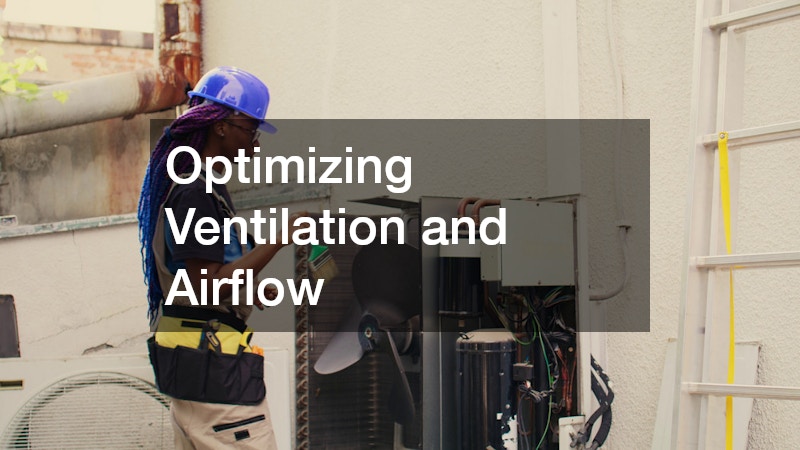
The internal lungs of your home, the ductwork and the furnace, are often the most neglected components because they are out of sight. Over time, these systems accumulate a staggering amount of dust, pet dander, and construction debris. This buildup creates friction within the ventilation system, forcing the blower motor to work harder than necessary to move air through the house. By hiring professional air duct cleaners, you can clear these internal pathways, which significantly reduces the mechanical strain on your entire system and lowers your monthly electricity consumption.
Beyond simple efficiency, clean ducts protect the expensive, sensitive electronics and sensors located inside your modern furnace or air handler. When dust bypasses a filter, it settles on the control board and heat exchanger, acting as an unwanted layer of insulation that causes parts to overheat. Eliminating this debris prevents the premature “burnout” of internal components, ensuring that your initial investment in a high-efficiency system pays off over its full expected lifespan. A clean system also reduces the amount of household cleaning required, as there is less particulate matter settling on your furniture and flooring every time the fan kicks on.
Maximizing Mechanical Efficiency
Once the pathways are clear, the focus must shift to the mechanical heart of the climate control system. Modern units are complex pieces of machinery with dozens of points of potential failure. A seasonal HVAC Service is the most effective way to ensure that these components are lubricated, calibrated, and cleaned. During these visits, a technician can check the refrigerant levels and clean the condenser coils, which are essential tasks for maintaining the thermal transfer efficiency that keeps your cooling costs low during the sweltering summer months.
This professional oversight is particularly important for the longevity of the compressor, which is the most expensive part to replace in an air conditioning system. Small issues, such as a loose electrical connection or a slightly clogged drain line, can cause the entire unit to cycle on and off too frequently. This “short-cycling” adds years of wear to the motor in a single season. By having a professional verify that the system is balanced and the pressures are within the manufacturer’s specifications, you effectively buy yourself several extra years of reliable service before needing a major overhaul.
To keep your system running optimally between professional visits, homeowners should follow a strict internal checklist:
- Replace pleated air filters every 30 to 90 days, depending on pet occupancy.
- Clear away weeds, leaves, and debris from around the outdoor condenser unit to ensure three feet of clearance.
- Vacuum floor registers and return vents to prevent dust from recirculating into the machinery.
- Monitor the condensate drain line for clogs to prevent water damage in the attic or crawlspace.
External Barriers and Perimeter Security
The exterior envelope of your home is what stands between your family and the harsh realities of the local climate. If moisture penetrates this barrier, the resulting mold and wood rot can destroy the structural integrity of the building. When the existing exterior shows signs of cracking, peeling, or fading, it is often a signal that the underlying protection is compromised. Investing in a professional siding install is a strategic move that provides a fresh, waterproof seal for the home, which can drastically reduce the risk of internal wall damage and improve the overall R-value of your insulation.
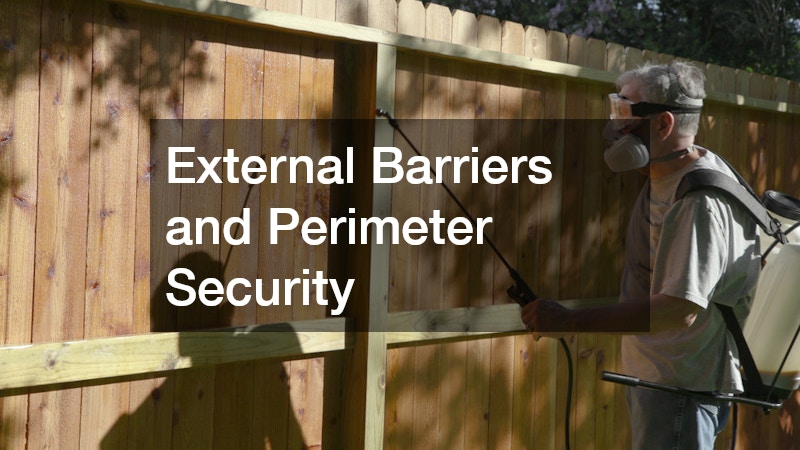
Beyond the walls of the house, the boundary of the property requires its own form of oversight to prevent long-term liability and maintenance issues. Fences serve as more than just privacy screens; they act as windbreaks and security barriers that protect your landscaping and outbuildings. Engaging in regular fencing installations or repairs ensures that your property remains secure and that small areas of rot do not spread to the entire perimeter. A well-maintained fence also prevents neighborhood pets or wildlife from entering your yard and damaging expensive garden beds or irrigation systems.
Consider these exterior maintenance tips for maximum durability:
- Inspect the caulking around windows and door frames annually to prevent air leaks.
- Clean gutters twice a year to ensure water is diverted away from the siding and foundation.
- Check for signs of termite or carpenter ant activity near any wood-to-ground contact points.
- Power wash exterior surfaces to remove salt and mildew that can eat away at protective finishes.
Preserving Foundation Integrity
The foundation is the most critical part of any structure, yet many homeowners ignore small cracks until they become major structural shifts. Concrete is a porous material that expands and contracts with temperature changes, leading to inevitable hairline fractures. However, when these fractures allow water to pool and freeze, the pressure can crack a foundation wide open. Consulting with a reputable concrete company at the first sign of significant settling can save you a fortune in underpinning costs. They can provide professional sealing or leveling services that keep the slab stable for decades. By acting before the reinforcement steel inside the concrete begins to rust and expand, you preserve the skeletal integrity of your entire property.
Furthermore, managing the moisture levels in the soil surrounding your masonry is a non-negotiable aspect of foundation longevity. When the ground becomes oversaturated, it exerts tremendous lateral pressure against your basement walls, a phenomenon known as hydrostatic pressure. Over several seasons, this force can cause walls to bow inward, requiring the installation of expensive carbon fiber straps or steel beams. Proactively ensuring that your window wells are covered and that your perimeter drains remain clear of silt will mitigate this pressure. This simple, low-cost vigilance keeps the heavy lifting to the concrete itself rather than forcing it to battle the weight of expanding, water-logged earth every time it rains.
Precision Masonry and Utility Management
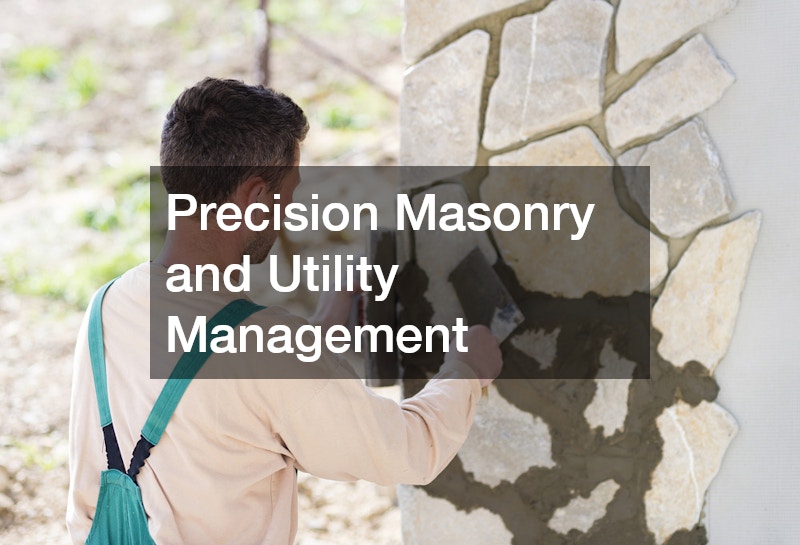
In some cases, maintenance or upgrades require making modifications to the existing masonry without causing collateral damage. If you are installing a new dryer vent, a high-efficiency furnace intake, or a sump pump discharge line, you cannot simply take a sledgehammer to your foundation. Utilizing professional concrete coring services allows for the creation of perfectly round, smooth holes through thick stone or cement. This precision prevents the micro-fractures that occur with percussive drilling, ensuring that the surrounding area remains watertight and structurally sound after the new utility is installed. This specialized approach is a hallmark of a well-budgeted home, as it avoids the “patchwork” look and leaky seals associated with amateur masonry work.
By opting for precise extraction rather than brute force, you protect the long-term resale value of your home. High-quality utility penetrations prevent the common issue of groundwater seeping through ragged gaps in the basement wall during heavy rains. Investing in these specialized techniques ensures that your recent upgrades do not inadvertently create new maintenance liabilities. It is much more cost-effective to pay for a clean, professional cut once than to spend years fighting persistent leaks and crumbling mortar joints caused by improper drilling methods.
Key foundation and masonry checks include:
- Ensuring the soil around the house slopes away from the foundation at a grade of one inch per foot.
- Patching small driveway cracks with flexible masonry sealant to prevent weed growth and ice expansion.
- Checking the basement walls for efflorescence, which is a white, salty powder indicating moisture penetration.
- Verifying that downspout extensions carry water at least six feet away from the home’s base.
Landscaping Hazards and Outdoor Living Structures
Trees add immense value to a property, providing shade that lowers cooling costs and creates a beautiful aesthetic. However, a tree that is not properly maintained is a liability waiting for a high-wind event to strike. A professional tree service can identify “hazard trees” that have internal rot or weak branch attachments that are not visible to the untrained eye. By proactively thinning the canopy and removing dead weight, you reduce the sail effect during storms, making it much more likely that the tree will remain standing during a hurricane or blizzard.
Outdoor living areas like porches and decks are also subject to extreme weathering since they are horizontal surfaces that collect water and snow. If the wooden support structure begins to fail, the safety risks and the cost of replacement skyrocket. Working with experienced deck builders to perform a structural audit can identify issues like rusted flashing or loose ledger bolts that connect the deck to the house. Catching these small mechanical failures early allows for targeted repairs that can extend the life of the wood by a decade or more.
To keep your outdoor spaces safe and attractive, prioritize these tasks:
- Apply a UV-resistant stain or sealant to wooden structures every two to three years.
- Trim branches so they are at least ten feet away from the roofline to prevent shingle damage.
- Inspect deck railings for “wobble” and tighten all lag bolts or carriage bolts as needed.
- Remove heavy snow from decks during the winter to prevent the weight from exceeding the structural load limit.
Mechanical Resilience and Hardscape Protection
The secret to budgeting for a long-term residence is to replace the small part before it destroys the large machine. If you hear a grinding noise or notice a sudden spike in your utility bill, calling for an HVAC repair immediately is the smartest financial move you can make. A simple capacitor or contactor replacement might cost a few hundred dollars, but if left alone, a failing capacitor can cause the entire compressor to overheat and seize, leading to a bill in the thousands.
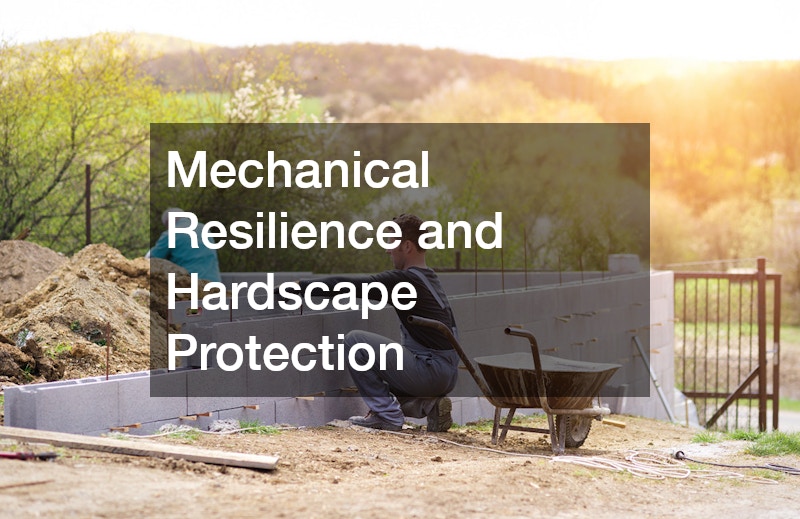
Beyond the internal machinery, the non-living elements of your landscape, such as patios, walkways, and retaining walls, require their own specific maintenance schedule to stay functional. Over time, the polymeric sand between pavers can wash away, or the earth behind a wall can settle, causing stones to shift and trip hazards to form. Professional hardscape companies can perform “re-sanding” or “leveling” to restore the integrity of these features and prevent expensive stone breakage. Properly maintained hardscaping ensures that water is guided away from the home and that the ground remains stable, preventing soil erosion that could eventually threaten the foundation or the driveway.
Protecting these heavy investments also means looking at the drainage systems that interact with your masonry and outdoor installations. When pavers become uneven or retaining walls begin to lean, it is usually a sign that hydrostatic pressure is building up behind the scenes. Addressing these drainage issues early prevents the “domino effect” where one failing wall leads to the collapse of an entire terrace or garden bed. Taking the time to clear out weep holes and ensuring that gravel beds are not clogged with silt will keep your outdoor structures standing for decades.
Maintain your mechanical and hardscape assets with these steps:
- Clean the debris out of window wells to ensure the drains are not blocked.
- Test your thermostat’s accuracy against a handheld thermometer to ensure it isn’t overworking the furnace.
- Apply a stone sealer to natural rock features to prevent “spalling” caused by salt and chemicals.
- Keep your outdoor AC unit level, as a tilting unit can cause oil to settle in the wrong places and damage the motor.
The journey of maintaining a home is never truly finished, but the intensity of the work fluctuates based on your level of consistency. By treating your home as a complex ecosystem that requires regular tuning and protection, you move away from the stress of “emergency mode” and into a state of financial control. The thousands of dollars saved through these preventive measures can then be redirected toward your mortgage principal, retirement accounts, or future home improvements that actually add joy rather than just fixing problems. A well-budgeted home is the result of many small, disciplined decisions made over several years. In the world of homeownership, the best defense is always a well-planned and executed offense.